



Ventilation air grille diffuser
air vent manufacturer since 2002


 Vairtech
  2025-12-19


We are the critical interface between building performance and occupant well-being. Learn how our innovation drives healthier, more efficient, and beautiful spaces.
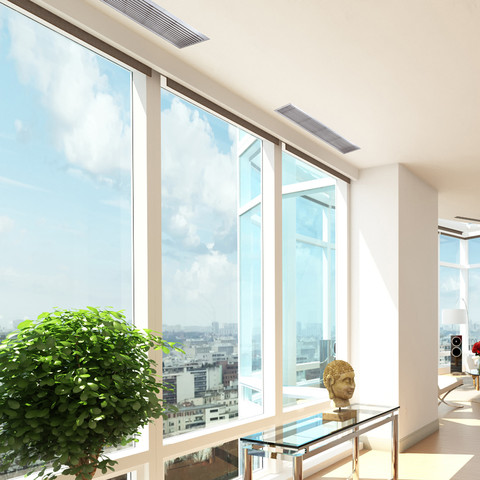
In the evolving landscape of architectural design and HVAC technology, grille design has become an essential element that balances aesthetics, functionality, and innovation. As both residential and commercial spaces strive for seamless integration of form and function, the development of grille systems such as linear bar and return grilles has taken on a new dimension. This article delves into the advancements shaping the future of grille design, highlighting how innovation is transforming these seemingly simple components into dynamic, integral parts of modern building ecosystems.
Whether you are an architect, designer, or HVAC professional, understanding the latest trends and technologies in grille design can offer valuable insights into creating more efficient, beautiful, and adaptable environments. From advanced materials to smart integration and custom designs, the future of grille technology promises to drastically enhance comfort, air quality, and visual appeal. Let us explore these innovations and what they mean for the next generation of building design.
Innovative Materials Transforming Linear Bar Grilles
One of the most significant changes in grille design is the use of innovative materials that offer better durability, sustainability, and aesthetic flexibility. Traditional linear bar grilles, often manufactured from steel or aluminum, have been reimagined using composites, plastics engineered for strength, and even eco-friendly materials derived from recycled sources. These new materials not only improve the structural integrity of the grilles but also allow designers to explore new forms, finishes, and color schemes that were previously unattainable.
Advanced materials provide enhanced corrosion resistance, especially important for grilles installed in humid or outdoor environments. For instance, powder-coated aluminum with UV-resistant properties ensures that linear bar grilles retain their appearance for years without fading or rusting. Beyond durability, material innovations also address sustainability concerns. The incorporation of recycled aluminum or biodegradable polymers into grille production supports green building initiatives and reduces the environmental footprint of construction projects.
Moreover, material advancements facilitate new fabrication techniques such as 3D printing and laser cutting, allowing for intricate grille patterns and customization that fit unique architectural themes. With smarter material choices, designers are no longer confined to traditional grille aesthetics but can integrate grilles that complement the overall design language of a space, serving both functional ventilation and visual enhancement.
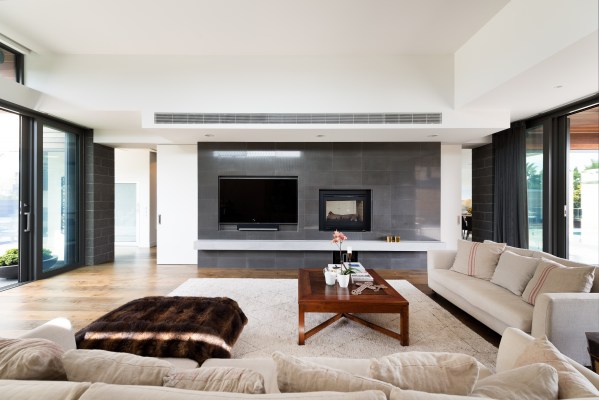
Smart Technology Integration in Return Grille Design
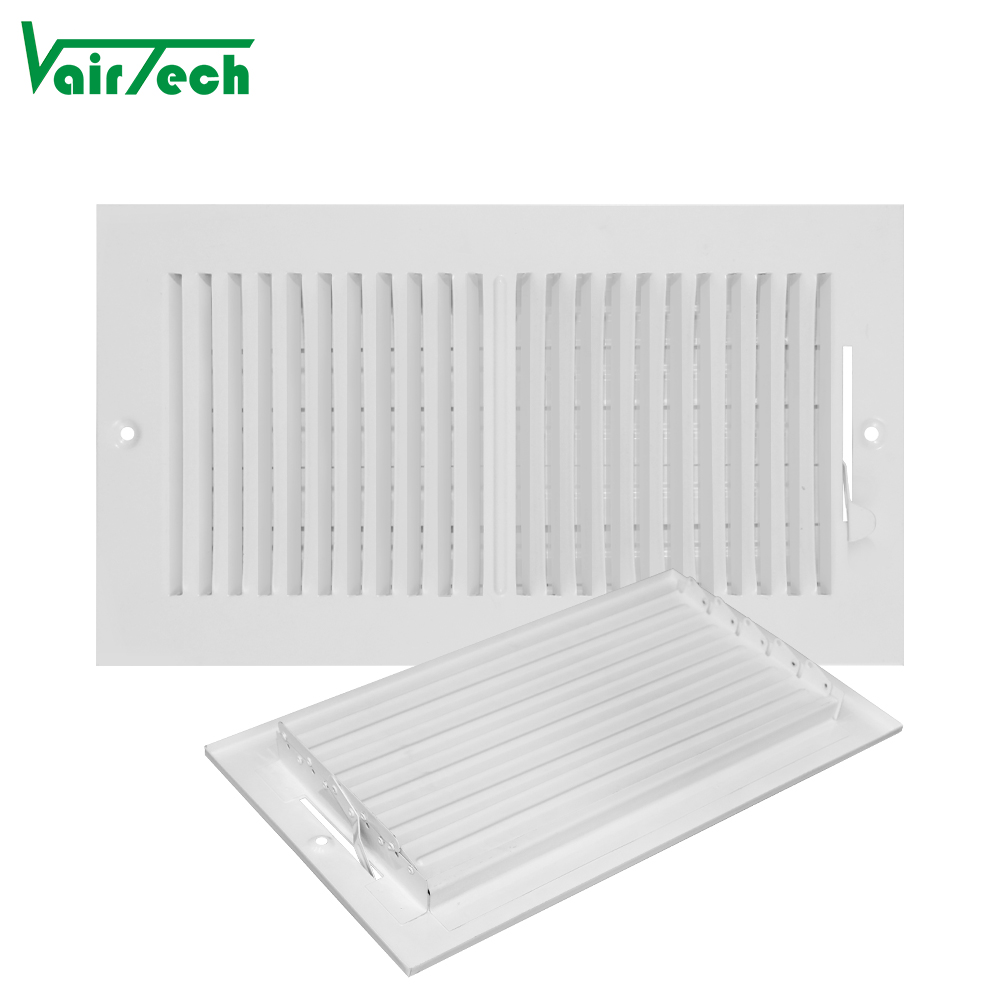
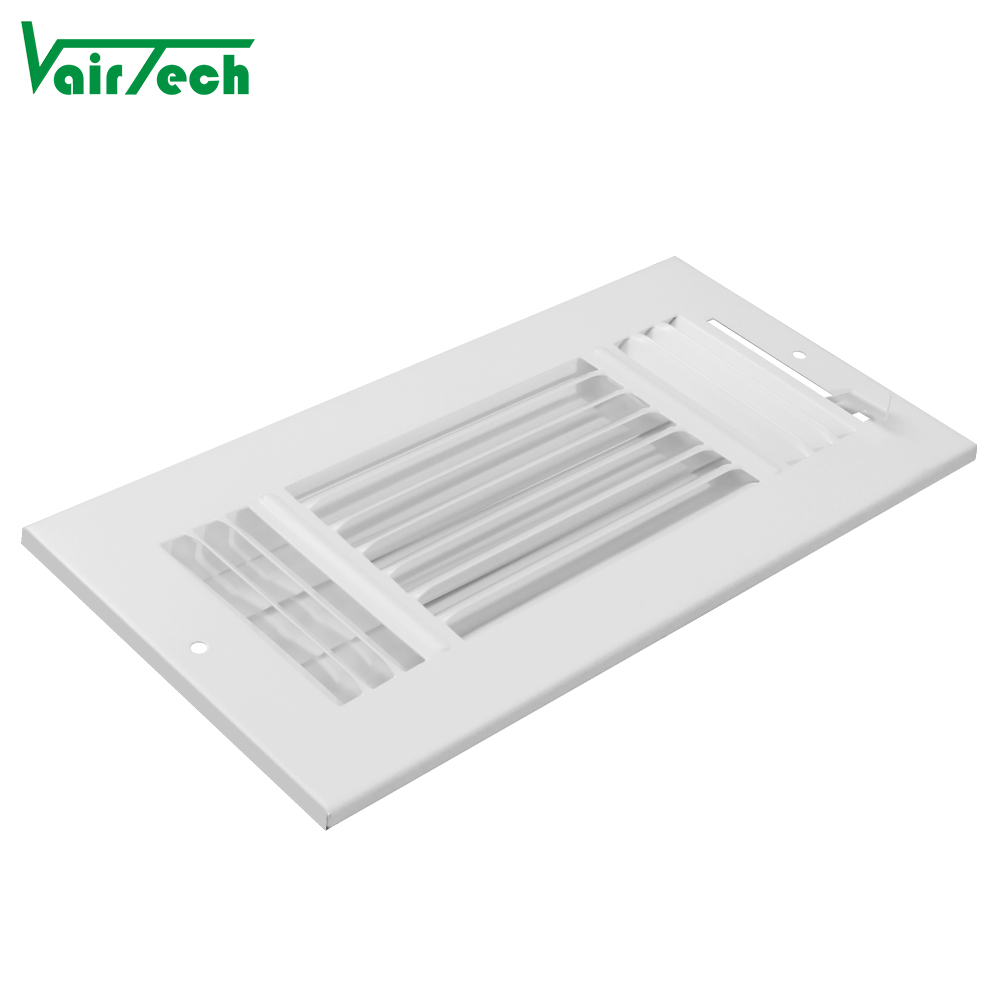
The future of grille design is not just about physical materials but also about embedding intelligence into everyday building components. Return grilles, which play a crucial role in air circulation by drawing air back into HVAC systems, are increasingly being equipped with smart sensors and automation features. These technological integrations enable monitoring of air quality, temperature, humidity, and even occupancy, allowing for real-time adjustments that optimize indoor climate control.
Smart return grilles equipped with sensors can detect particulate matter, carbon dioxide levels, and volatile organic compounds, providing valuable data to building management systems (BMS). This information helps maintain healthier indoor air quality by adjusting airflow and filtration dynamically, ensuring that occupants breathe cleaner air throughout their space. Additionally, automated grilles can modulate the volume of air they return based on occupancy or time of day, contributing to energy efficiency and system longevity.
Integration with Internet of Things (IoT) platforms also opens up possibilities for remote monitoring and control, giving facility managers precise command over HVAC performance without the need for physical access. This not only facilitates proactive maintenance but also enables customized environmental conditions tailored to specific zones within a building. As smart grille technology advances, return grilles will become a pivotal component of holistic building automation, driving improvements in comfort, sustainability, and operational efficiency.
Customization and Aesthetic Trends in Linear Bar Grilles
Beyond functionality, grille design is undergoing a remarkable transformation driven by evolving aesthetic preferences and customization demands. Linear bar grilles are no longer hidden mechanical components; instead, they are becoming intentional design statements that enhance interior and exterior architectural styles. This shift is fueled by a growing desire for personalization and the ability to harmonize building ventilation elements with broader design themes.
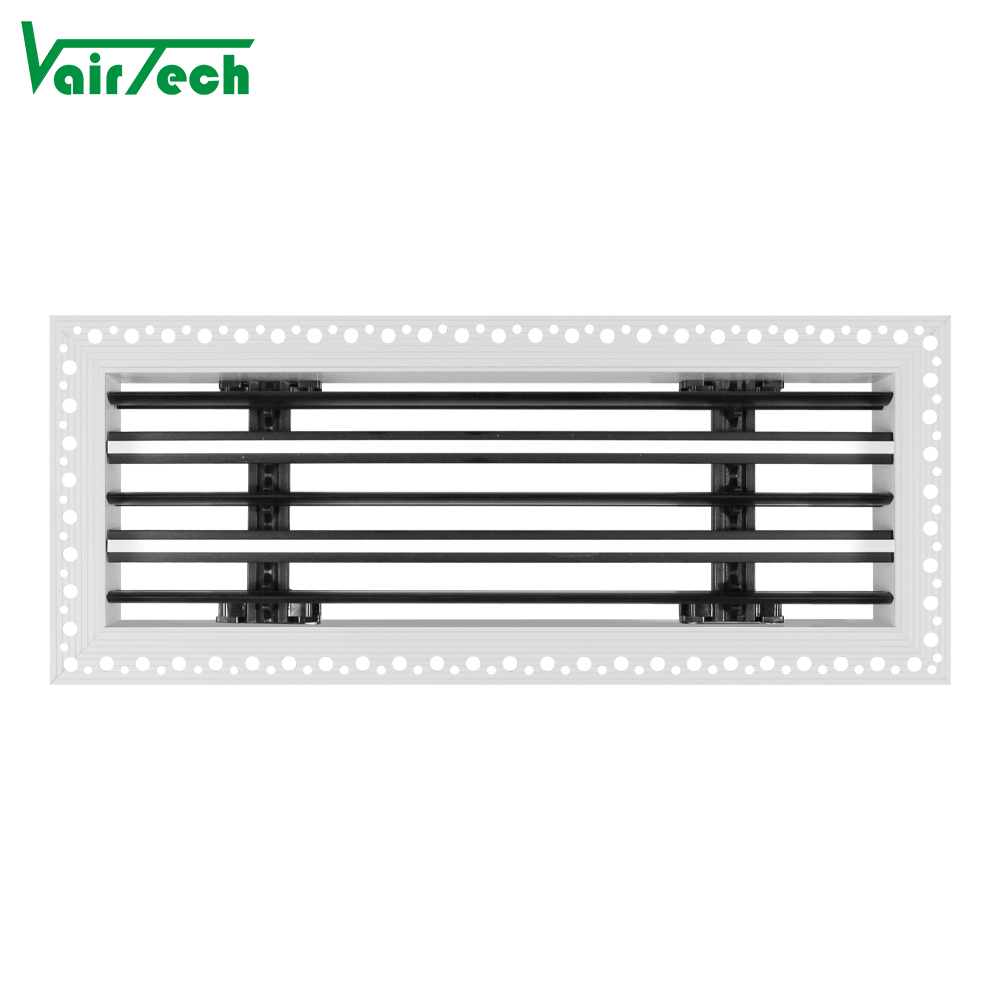
Customization options today extend far beyond dimensions and finishes. Designers can choose from a wide range of bar profiles, spacing configurations, and frame designs to craft grilles that reflect the unique identity of a building. Some manufacturers now offer bespoke grille production where clients can order grilles with patterns ranging from geometric abstractions to organic motifs, helping ventilation systems blend seamlessly with wall surfaces or ceilings.
Additionally, the use of color-matching technology allows grilles to be painted or anodized in any shade, enabling them to either stand out as bold design features or seamlessly disappear into the environment. High-end projects might even incorporate backlighting behind the linear bars to create ambient lighting effects that add a layer of sophistication and enhance user experience.
This new era of grille customization supports an interdisciplinary collaboration between architects, interior designers, and engineers. The design of linear bar grilles is no longer an afterthought but a key consideration in the overall blueprint of a space, melding utility with style to transform how we perceive functional building elements.
Advancements in Airflow Efficiency and Noise Reduction
Efficient airflow management is at the heart of grille design innovations, especially for linear bar and return grilles that directly influence HVAC system performance and occupant comfort. Recent developments have focused on optimizing grille geometry and internal structures to maximize airflow while minimizing pressure drops and noise generation.
Modern linear bar grilles incorporate aerodynamic bar shapes and variable spacing that reduce air turbulence as it passes through. This results in smoother airflow distribution, which enhances system efficiency by reducing the workload on fans and duct systems. Some designs utilize angled bars or contoured profiles that direct airflow precisely where it is needed, improving ventilation effectiveness in different room layouts.
Noise reduction technologies are equally important. Grilles designed to dampen sound through specially engineered internal chambers and sound-absorbing materials help mitigate the “hvac hum” often experienced in office spaces and residences. Innovations such as layered grille designs combine multiple thin profiles that work together to interrupt sound waves without significantly impacting airflow.
These technical improvements contribute significantly to creating quieter indoor environments, which is critical for productivity, health, and well-being. By prioritizing efficient airflow and acoustics, the future of linear bar and return grilles will support the rising demand for buildings that are not only energy-conscious but also comfortable and serene.
Impact of Sustainable Design Practices on Grille Manufacturing
Sustainability is no longer a niche consideration but a central tenet of modern construction and design. Grille manufacturing is increasingly influenced by sustainable practices that extend from material sourcing to production methods and end-of-life recyclability. These eco-friendly initiatives are transforming how linear bar and return grilles are developed and integrated into buildings.
Manufacturers are adopting energy-efficient production techniques, such as using renewable power sources and minimizing waste by precision cutting and modular assembly processes. Many companies are also embracing circular design philosophies, ensuring grilles can be easily disassembled and recycled or repurposed at the end of their lifecycle. This reduces landfill waste and conserves valuable raw materials.
Sustainability in grille design also supports LEED certification and other green building standards. For example, selecting grilles made from recycled aluminum or bamboo composites can contribute to earning credits for responsible material use. Additionally, products designed to improve HVAC efficiency indirectly reduce the building’s carbon footprint by lowering overall energy consumption.
Consumer interest in transparent sourcing and environmental impact encourages manufacturers to document and publicize their sustainability credentials. As these trends deepen, grille design will continue to evolve as a vital interface between functional building systems and responsible ecological stewardship.
In summary, the intersection of material innovation, smart technology, customization, airflow optimization, and sustainability defines the future of grille design. Linear bar and return grilles are becoming more than mere components—they are becoming integral elements that enhance building performance, occupant comfort, and visual harmony. As these advancements continue to mature, architects and engineers will enjoy unprecedented opportunities to create spaces that breathe better and look more inspiring.
Ultimately, embracing these innovations in grille design will lead to healthier, more efficient, and aesthetically captivating buildings. The ongoing transformation promises a future where ventilation systems are seamlessly woven into architectural narratives, providing a blueprint for smarter, greener, and more beautiful built environments.
24-hour service hotline

Add: Room1804, 8thFloor, 1st Building, Guang Fo Future Town, 85 Lingnan Road, Dali Town, Nanhai District, Foshan City, Guangdong Province, China